
The complete guide to ice bath recovery
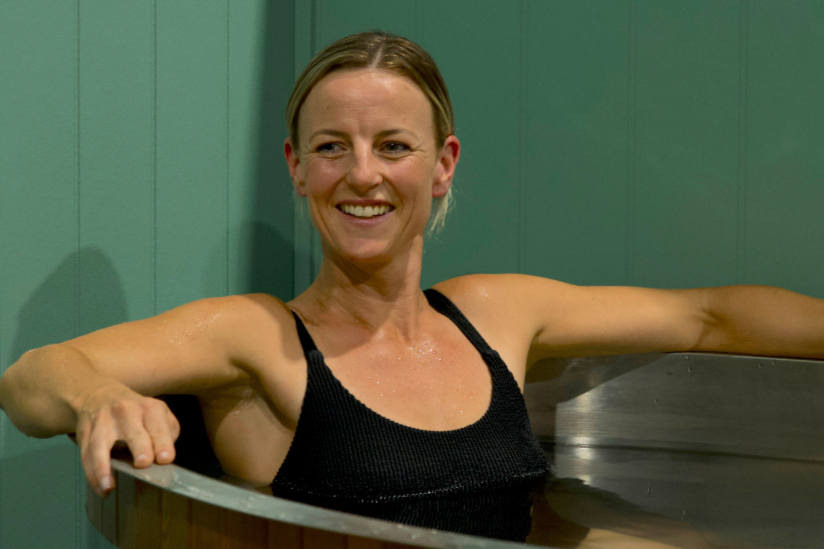
At Recovery Base Shellharbour, we believe recovery is about more than rest, it’s about giving your body and mind the space to adapt, repair, and grow stronger.
One of the most effective ways to do that is through ice bath recovery.
Cold water therapy has long been used by athletes, health enthusiasts, and everyday people seeking to reduce inflammation, boost resilience, and improve overall wellbeing. Whether you’re new to it or already a fan of the chill, here’s everything you need to know before taking the plunge.
Benefits of ice bath recovery
When you immerse your body in cold water, your blood vessels constrict, pushing blood away from your extremities and toward your core. Once you step out, your body warms up and circulation increases, delivering oxygen and nutrients to your muscles and speeding up recovery.
The result?
Reduced inflammation and soreness
Faster muscle repair
Improved joint health
Enhanced circulation and immunity
At Recovery Base Ice Bath Shellharbour, we’ve designed our communal and private ice baths to help you recover safely, whether you’re a high-performance athlete or simply looking to move and feel better.
Cold water therapy for mental resilience
Ice baths aren’t just for your muscles, they’re powerful for the mind, too.
When you expose yourself to cold, your body releases endorphins and norepinephrine, helping improve mood, alertness, and focus. Over time, this builds mental resilience, teaching you to stay calm under stress.
For many, it’s less about “braving the cold” and more about learning to breathe through discomfort. It’s a tool for emotional regulation as much as physical recovery.
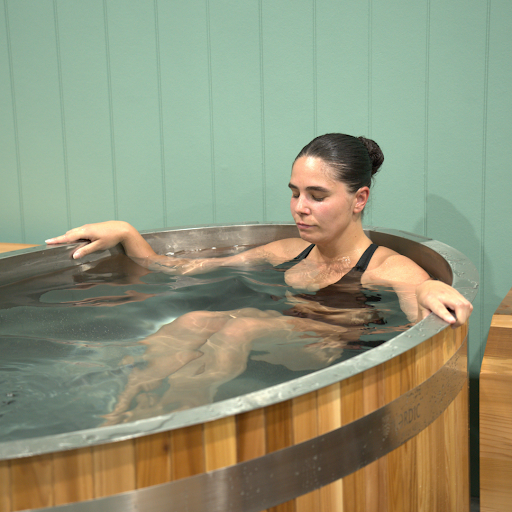
How ice baths help muscle recovery
After intense training, your muscles experience microscopic damage and inflammation. Cold immersion helps reduce swelling, flush out lactic acid, and decrease delayed onset muscle soreness (DOMS).
By improving blood flow and reducing inflammation, ice baths can shorten recovery time, allowing you to return to movement sooner, stronger, and more prepared for your next session.
How long should you stay in an ice bath?
The ideal duration depends on your experience and the temperature of the water.
A good starting point is:
Temperature: Between 8°C and 12°C
Duration: 2 to 5 minutes for beginners, up to 10 minutes for experienced users
You don’t need to stay in long to experience the benefits. The goal is to find that balance between challenge and control - focus on steady breathing rather than endurance.
How often should you do ice baths for recovery
For most people, two to three sessions a week is ideal.
After heavy training blocks or long runs, cold exposure can help the body reset. On lighter days, once a week may be enough to maintain the benefits.
Consistency is key, regular cold therapy helps build your body’s ability to adapt to stress and enhances overall wellbeing.
What happens to your body in an ice bath
As you enter the cold, your body experiences several immediate responses:
Blood vessels constrict to conserve heat
Your heart rate and breathing increase
Endorphins and adrenaline surge
When you step out and warm up, circulation rebounds, flushing out metabolic waste and reducing inflammation. This contrast response is what makes cold therapy such a powerful recovery tool.
Ice bath for inflammation and soreness
One of the most well-known benefits of ice baths is their ability to reduce inflammation. By constricting blood vessels and slowing down cellular processes, cold therapy helps limit the damage from intense exercise or impact, allowing faster repair.
For people managing chronic pain or stiffness, regular cold immersion can also bring relief by calming nerve activity and supporting recovery between sessions.
Contrast Therapy: Sauna and Ice Bath
At Recovery Base, we encourage contrast therapy - alternating between heat and cold for optimal results.
Sauna: Opens blood vessels, relaxes muscles, and boosts circulation.
Ice bath: Constricts vessels, reduces inflammation, and stimulates recovery.
Moving between the two creates a powerful circulatory response that enhances performance, builds resilience, and leaves you feeling re-energised.
How to safely take an ice bath
Start slow.
Begin with shorter sessions and slightly warmer temperatures before progressing to colder, longer immersions. Always focus on breathing - slow, controlled breaths help your body adjust.
If you feel lightheaded or experience pain beyond initial discomfort, exit the water immediately. Ice baths should challenge you, not overwhelm you.
Our team at Recovery Base is here to guide you through every step, helping you find the right approach for your goals and comfort level.
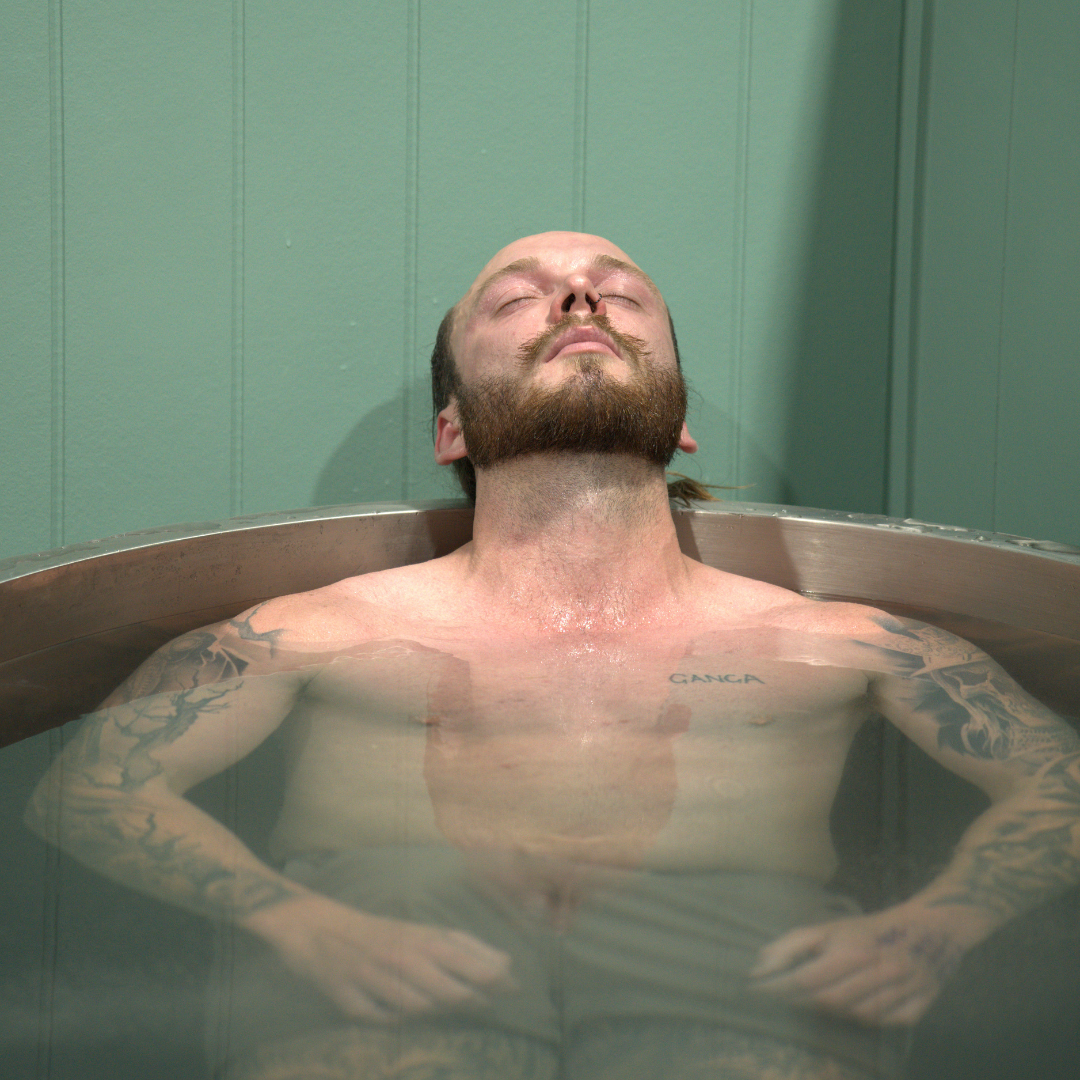
Experience ice bath recovery at Recovery Base
Cold therapy isn’t just for athletes, it’s for anyone looking to improve their recovery, resilience, and overall wellbeing.
Whether you’re chasing performance, managing pain, or simply seeking balance, our ice baths offer a safe, inclusive environment to help you feel your best.
At Recovery Base Shellharbour, we’ve created a space where recovery is accessible, supported, and community-driven - because true health is built on consistency and care.
Ready to experience it for yourself?
Join us at Recovery Base for your first ice bath session and feel the difference.
Recovery for Every Body.
